

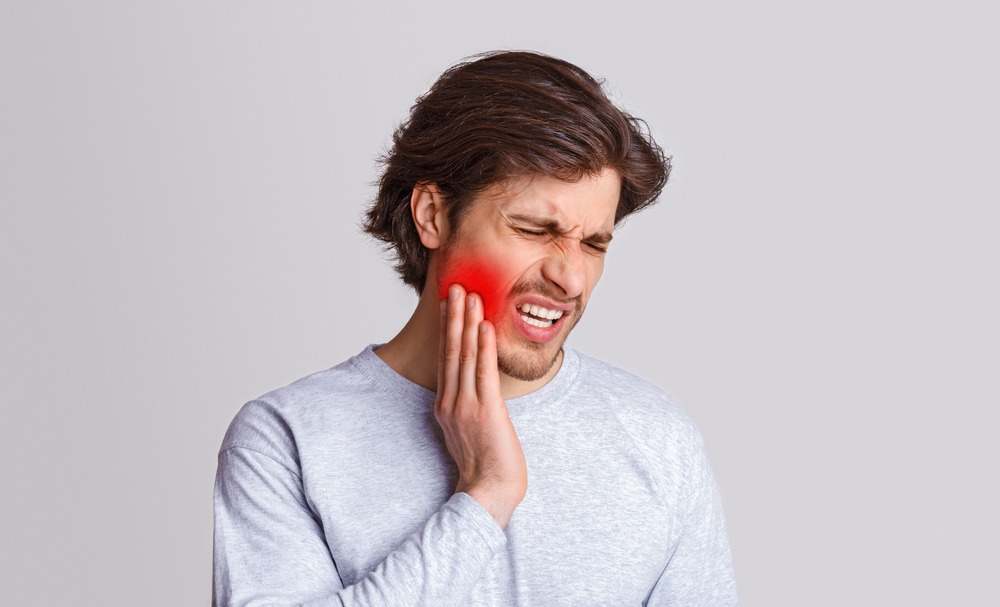
It’s a frustrating experience—walking out of the dental chair expecting relief from a cavity or damage, only to be met with unexpected discomfort. Tooth sensitivity after a filling can be confusing and uncomfortable, but in many cases, it’s a temporary and manageable response. Understanding why this occurs and what solutions are available can empower you to take the right steps forward and enjoy your restored smile.
This blog explores the causes, contributing factors, and evidence-based solutions for post-filling sensitivity while also highlighting when it’s time to seek further dental advice.
Why Can Teeth Become Sensitive After a Filling?
Tooth sensitivity following a dental restoration is not uncommon and can occur even if the procedure was routine and successful. Here’s a closer look at why this happens:
- Pulp irritation: The tooth’s inner nerve tissue (pulp) can become inflamed during cavity removal, especially if decay was deep.
- Composite shrinkage: Modern composite materials can slightly contract after curing, which may cause tension and microleakage at the interface.
- High bite: If the filling is slightly elevated, extra pressure during chewing can overstimulate the tooth.
- Changes in temperature: Fillings may alter how the tooth responds to hot or cold, particularly in the days following treatment.
- Previous dental work: Teeth that have been treated multiple times or are structurally weakened may respond with greater sensitivity.
What Does Post-Filling Sensitivity Typically Feel Like?
Every individual’s experience may vary, but certain types of pain or sensitivity are more commonly reported:
| Attribute | Description |
|---|---|
| Timing | Begins within hours or days post-treatment |
| Type of pain | Sharp, throbbing, or aching; intermittent or constant |
| Triggers | Cold or hot drinks, sweet foods, pressure, biting |
| Affected area | Usually localised to the filled tooth |
| Duration | May last a few days to several weeks depending on severity |
What Materials Are Most Likely to Cause Sensitivity?
Different types of filling materials respond uniquely to the tooth structure and surrounding environment.
| Filling Material | Sensitivity Risk | Typical Duration | Notes |
|---|---|---|---|
| Composite Resin | Moderate to High | Few days to two weeks | May shrink slightly, affecting the bond |
| Amalgam | Low to Moderate | 1–2 days | Conducts temperature; less likely to shrink |
| Glass Ionomer | Low | Short-term | Releases fluoride; often used near gumline |
| Temporary Fillings | Low | Very short-term | Used when treatment is staged or pulp needs rest |
What Are the Common Causes of Long-Term Sensitivity?
While some degree of discomfort is considered normal, extended or worsening sensitivity could be a sign of a more serious issue:
- Deep or large restorations close to the tooth pulp
- Minor cracks or fractures in the tooth or filling
- Improper bonding technique or marginal leakage
- High points causing bite pressure
- Underlying infection or early pulpitis
What Solutions Can Help Reduce Sensitivity?
Managing post-filling sensitivity starts with identifying the trigger and working with your dentist on the right course of action. Here are the most common solutions:
- Monitoring and patience: Mild discomfort often resolves on its own within one to two weeks.
- Desensitising toothpaste: Formulas with fluoride or potassium nitrate can reduce nerve response.
- Occlusal adjustment: If the bite is too high, minor recontouring may relieve pressure.
- Avoid extreme temperatures: Hot or icy drinks may aggravate sensitivity in the initial period.
- Temporary rest: Try to avoid chewing directly on the filled tooth for a few days.
- Review with your dentist: Prolonged or worsening sensitivity should always be assessed professionally.
How Can You Prevent Post-Filling Sensitivity?
While some causes are related to individual tooth anatomy or material properties, preventive strategies include:
- Addressing cavities early, before they reach the pulp
- Following proper aftercare instructions post-treatment
- Alerting your dentist if you’ve experienced previous sensitivity
- Ensuring regular check-ups to identify any wear or bite changes early
What Can You Expect If the Sensitivity Doesn’t Go Away?
If the tooth continues to react to hot, cold, or pressure beyond a few weeks—or if the pain becomes more severe—it may indicate a more complex issue such as:
- Reversible pulpitis: Often resolves with time and monitoring
- Irreversible pulpitis: May require further treatment such as root canal therapy
- Cracks or fractures: Could lead to replacement of the filling or alternative restoration
- Bite misalignment: Often corrected with minor adjustments
When Should You See Your Dentist?
Be sure to book a follow-up visit if:
- Pain worsens rather than improves
- Sensitivity persists longer than 10–14 days
- Pain occurs spontaneously without any stimulus
- There is discomfort while chewing or biting
- You notice swelling or pressure in the jaw
Could Tooth Sensitivity Indicate a More Serious Condition?
While often harmless and temporary, it’s important not to ignore sensitivity that doesn’t improve. Left unaddressed, prolonged inflammation of the pulp may eventually lead to infection or more complex restorative needs. Acting early is key to preserving your tooth and avoiding escalation.
Why Choose Ferny Hills Dental for Personalised, Expert Dental Care?
If you’re dealing with sensitivity after a filling—or want to prevent it altogether—Ferny Hills Dental offers a tailored, caring approach that puts your comfort first. With advanced technology, precise diagnostic tools, and a gentle touch, we help identify the root cause of your discomfort and provide solutions that prioritise long-term dental health.
Our team is passionate about ensuring each patient’s experience is as comfortable and reassuring as possible. Whether you need a quick bite adjustment, a comprehensive filling assessment, or guidance on managing lingering discomfort, Ferny Hills Dental is committed to helping you smile with confidence and ease.
Important FAQ’s
- How long does sensitivity last after a dental filling?
Most cases resolve within a few days to two weeks. If sensitivity persists longer, a dental review is advised. - Is it normal to feel pain when biting down after a filling?
It may happen if the filling is slightly too high or if the nerve is inflamed. A bite adjustment may help. - Can desensitising toothpaste really make a difference?
Yes. Many patients experience relief when using a fluoride or potassium nitrate-based toothpaste regularly. - Should I avoid using the tooth that was filled?
Temporarily avoiding chewing on the side with the new filling can help the tooth settle in the short term. - What does it mean if hot drinks hurt my filled tooth?
Heat sensitivity may indicate deeper nerve involvement and should be assessed if it doesn’t improve. - Will I need more dental work if the pain doesn’t go away?
Not always, but persistent pain might require further care such as a replacement filling or root canal therapy.
Research and References
- Australian Dental Association. “What is a Dental Filling?”
https://www.ada.org.au/Your-Dental-Health/Younger-Adults-18-30/Dental-fillings - Healthdirect Australia. “Toothache.”
https://www.healthdirect.gov.au/toothache - Australian Dental Council. “Guidelines for Dental Practitioners on Fillings.”
https://www.adc.org.au/
Disclaimer
All dental procedures involve potential risks and benefits. The information provided in this blog is general in nature and should not be taken as medical advice. We recommend that you seek guidance from a suitably qualified health professional before making decisions about your oral health. Where appropriate, you may also wish to consider obtaining a second opinion.
Any images or videos featured are shared with the informed consent of our patients and are intended for educational purposes only. They are not a guarantee of results, as every patient is unique. Treatment outcomes — including recovery, potential complications, and effectiveness — can vary from person to person.


